

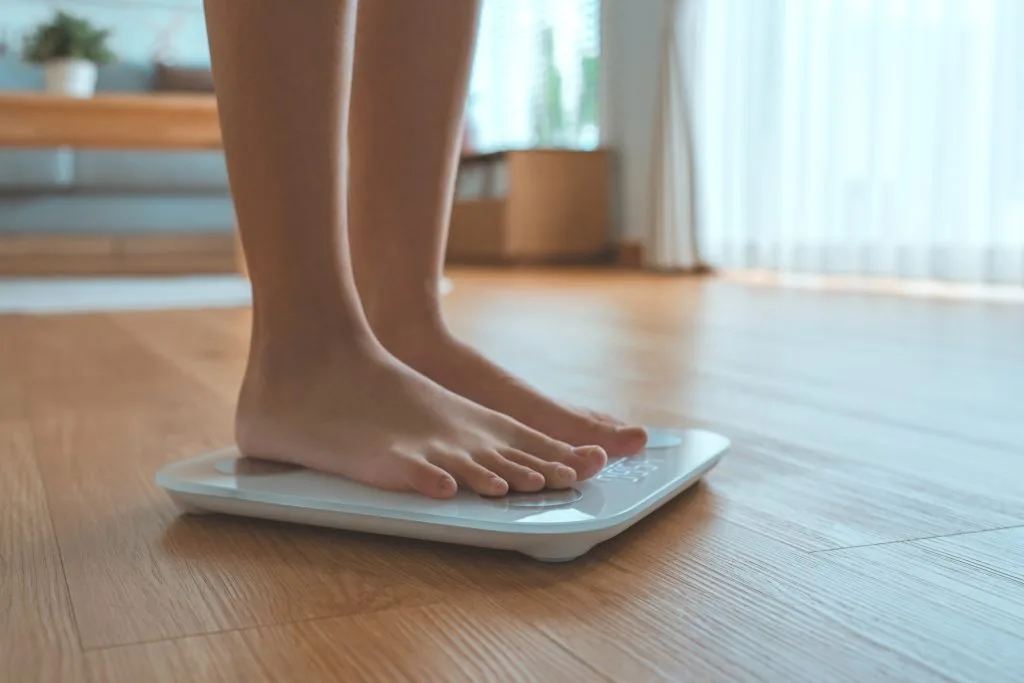
In most people, Spravato (esketamine) is not strongly associated with weight gain, and weight changes – when they happen – are often influenced by other factors, such as changes in appetite from depression improvement, reduced activity during recovery, or other medications taken alongside Spravato. That said, every person’s response is different, so it’s important to monitor your weight and symptoms over time with your psychiatric provider.
Spravato is not typically considered a “weight-gain medication.”
Some people may still notice weight changes, but this isn’t usually the primary or most common effect of treatment.
Weight gain can occur, but it’s not a defining side effect, and it’s often multifactorial.
If you’re exploring treatment options for depression, you can learn more about Spravato and supportive care through Sunshine Psych Care in Palm Coast, FL.
Spravato can be an important option for adults living with treatment-resistant depression or acute suicidal thoughts. When you’re evaluating any depression treatment, it’s normal to look closely at side effects, especially ones that may affect long-term health and confidence, like weight changes.
Spravato (esketamine) is an FDA-approved prescription nasal spray used in adults for:
Treatment-resistant depression
Depressive symptoms in adults with acute suicidal ideation or behavior (in the context of major depressive disorder)
It differs from traditional antidepressants in how it works in the brain, and it is administered in a medically supervised setting. If you’re looking for broader mental health support options, you can also explore Sunshine Psych Care’s services.
People often focus on weight gain because it can be common with certain psychiatric medications. With Spravato, however, the more commonly discussed effects tend to be things like:
Feeling disconnected or “spaced out” (dissociation)
Sedation or sleepiness
Dizziness
Nausea
These effects can indirectly influence eating patterns (for example, nausea might reduce appetite temporarily), but they aren’t the same as a medication directly causing fat gain or metabolic changes.
Weight is influenced by a combination of biology, activity level, mood, sleep, appetite signals, and co-occurring treatments. For that reason, the question “Does Spravato cause weight gain?” often has a nuanced answer: it’s possible, but not usually straightforward or solely due to Spravato itself.
In general, Spravato is not widely categorized alongside medications known for significant weight gain. Unlike some antidepressants and mood-related medications that can increase appetite or shift metabolism in a predictable way, esketamine’s mechanism doesn’t typically place “weight gain” at the top of expected effects.
However, even when a medication isn’t known for major weight gain, a subset of patients can still experience:
Increased appetite as mood lifts
Changes in routine as energy improves (or fluctuates)
Weight variability related to sleep and stress hormones
So while clinical data tends to suggest weight gain is not a leading effect, real-life monitoring still matters.
In day-to-day life, some people report:
No weight change at all
Mild weight gain after mood improves and appetite returns
Mild weight loss if nausea decreases appetite or if improved mood leads to healthier routines
It’s also common for patients receiving Spravato to be on other medications at the same time. If weight changes occur, it’s worth reviewing your full medication plan through medication management rather than assuming Spravato is the only factor.
Many people ask about Spravato and weight because they’ve experienced weight gain with other mental health medications in the past.
In broad terms:
Some antidepressants are more likely to affect appetite, cravings, or weight over time.
Spravato is often discussed more for its short-term, monitored effects (such as sedation or dissociation) than for metabolic or appetite-driven weight changes.
This comparison matters because if weight gain has been a barrier to staying on medication, Spravato may feel like a different conversation – though each person’s plan should be individualized.
If you’re currently seeking depression care options, you can read more about depression support and discuss what treatments may fit your history and goals.
Weight gain during Spravato treatment is more likely to show up when it’s connected to broader shifts, such as:
Appetite returning with symptom relief: Depression can suppress appetite for some people. As mood improves, eating can normalize.
Reduced movement or disrupted routine: Early in treatment, you may rest more or temporarily reduce activity.
Comfort eating as anxiety decreases or emotions resurface: As numbness lifts, some people notice stronger emotional cues (including food-related coping).
Other medications in the regimen: If Spravato is combined with other psychiatric medications, weight effects may be driven primarily by those.
This is why tracking patterns can be more useful than focusing on a single data point on the scale.
Weight naturally fluctuates. The goal is to recognize what’s expected versus what should prompt a check-in.
Often normal:
Small short-term changes (a few pounds) during the first weeks
Mild fluctuations related to sleep, hydration, and routine
Worth discussing with your provider:
Ongoing gain over several weeks without a clear explanation
Rapid changes (up or down)
Weight change paired with worsening mood, fatigue, or appetite swings that feel out of character
If you notice weight gain while taking Spravato, consider these practical steps – without making sudden changes on your own:
Track trends, not daily numbers. Weighing once weekly at the same time of day can be more meaningful than daily fluctuations.
Note appetite and cravings. Are you hungrier at certain times? Are you skipping meals and then overeating later?
Look at sleep quality. Poor sleep can increase hunger hormones and cravings.
Review the full treatment plan. Weight effects may relate to other medications or timing changes, which is where structured psychiatric follow-up matters.
Ask about realistic lifestyle supports. Gentle activity, consistent meals, and a balance of protein and fiber can help without extreme dieting.
For some individuals, simply stabilizing mood can make it easier to return to routines that support a steady weight, especially if depression previously interfered with meal planning, cooking, or movement.
Spravato is administered under medical supervision. If weight changes are occurring, the safest approach is to:
Avoid stopping or adjusting medications on your own
Bring concerns early so your provider can assess contributing factors
Discuss any co-occurring symptoms (sleep disruption, appetite changes, nausea, reduced activity, increased cravings)
At Sunshine Psych Care, care is provided in a medically supervised setting, and treatment planning can be coordinated alongside ongoing psychiatric support. You can browse Sunshine Psych Care for an overview of available mental health services and clinic information.
For patients managing major depressive disorder, anxiety symptoms, or other mental health disorders who are looking for a more accessible treatment option, Spravato (esketamine) offers a compelling alternative to ketamine infusion therapy. Administered as a nasal spray in a certified clinical setting, Spravato delivers rapid and effective relief from treatment-resistant symptoms – without the need for an IV line. It’s a particularly well-suited option for those who may find infusions less practical or comfortable, yet still need meaningful support for more severe symptoms that haven’t responded to standard antidepressants.
At Sunshine Psychiatric Care & Wellness, Spravato treatment is provided in a calm, supervised environment with a care team focused on your comfort and long-term progress every step of the way.
Usually, Spravato is not strongly linked to weight gain, but individual experiences vary, and weight changes may reflect recovery-related shifts in appetite, lifestyle changes, or effects of other medications. If you notice a steady upward trend, the most helpful next step is to track patterns and discuss them with your psychiatric provider so your plan supports both mood improvement and overall well-being.

About the Author
Rhonda Richardson, PMHNP-BC

Discover other insightful and engaging content from our blog
Together, we’ll create a treatment plan
that works for you.